
Dermatological skin compatibility: Why it is so important

In the cosmetics industry, dermatological skin compatibility is a decisive criterion for the safety and trustworthiness of a product. However, according to the current cosmetics regulation, testing for dermatological skin compatibility is not mandatory – this means that anyone can sell cosmetic products without having tested them for skin reactions. At Cosmacon, however, dermatological skin…
Dermatologist cosmetics

Skin doctors, also called dermatologists, take care of the largest organ of our body: the skin. However, they have to complete extensive training before they can do so. After studying human medicine and obtaining the subsequent license to practice medicine, a five-year specialist training course follows. Only then are they allowed to work as dermatologists.…
Dexpanthenol

What is Dexpanthenol? Dexpanthenol is also known as D-panthenol, provitamin B5, and panthenol. The chemical compound is converted in our body into pantothenic acid, which in turn is an important component of coenzyme A and plays an essential role in carbohydrate, fat, skin, and amino acid metabolism. All mucous membranes, connective tissue, and even our…
Digitalisation in cosmetics development

Digitalisation in cosmetics development: increased efficiency through an innovative LIMS Precise data management and seamless process control play a crucial role in modern cosmetics development. Our company, Cosmacon GmbH, is rising to this challenge with a pioneering digitisation project supported by funding from the state of Schleswig-Holstein. The aim is to implement a laboratory information…
Dipeptide Diaminobutyroyl Benzylamide Diacetate – the snake venom peptide

Dipeptide Diaminobutyroyl Benzylamide Diacetate (DDBD) is a popular active ingredient in the cosmetics industry, especially in anti-aging products. This synthetic active ingredient mimics the effect of Waglerin-1, a peptide found in snake venom, and is often referred to as a “gentle Botox replacement”. Due to its ability to relax muscle contractions, it is a revolutionary…
Disinfectants
Never before have disinfectants been in such demand in Germany as they are now. After all, meticulous hygiene is the best and safest way to protect yourself from the dreaded coronavirus. The run on the products began weeks ago and has led to the shelves in stationary trade and in numerous online stores being empty…
DMS Cream
Most skin problems, such as dry skin, redness and itching, are caused by a damaged skin barrier and here ideally a DMS cream is used. This barrier is primarily determined by the structure and condition of the top layer of skin. Flat, dead cells surrounded by various fatty substances form the protective barrier of the…
Doctor-developed skincare brands
Anyone who looks at the cosmetics shelves in stores quickly notices a phenomenon that is still relatively new: there are more and more Doctor Brands. Behind this mysterious designation are brands that have been developed by doctors or that are recommended by doctors. Doctor-developed skincare brands are currently very trendy and are becoming increasingly popular.…
Eicosapentaenoic acid (EPA)
EPA and DHA are the commonly used abbreviations for eicosapentaenoic acid (EPA) and docosahexaenoic acid. These are two essential polyunsaturated fatty acids that belong to the class of valuable omega-3 fatty acids. Essential means that our body absolutely needs eicosapentaenoic acid (EPA) and DHA for a variety of important biological functions but cannot produce the…
Electric skin care
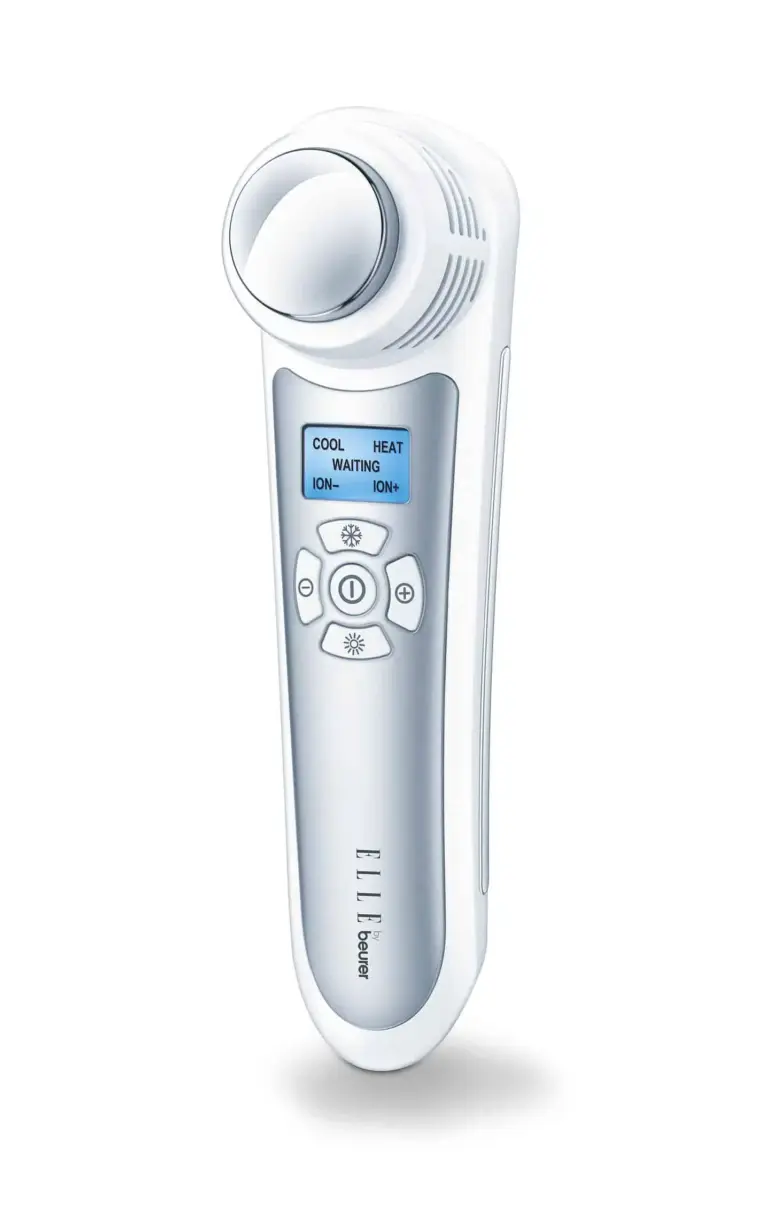
Electric skin care – active ingredient cosmetics with electricity and technology Electric skin care devices have long been an integral part of home care. Whether cleansing, toning, exfoliating, massaging, regenerating, or caring for the eye area – there are now specialized microcurrent or vibration devices for every need, enabling professional skin care at home. …